Beyond the Main Route

Fukui is not a place that reveals itself all at once. Beyond the well-known spots, there are quieter areas, local routes, and overlooked details that define the region.

Beyond the Main Route

Fukui is often experienced through a small number of well-known destinations. But the character of the region is found in how those places connect and in the quieter areas in between.

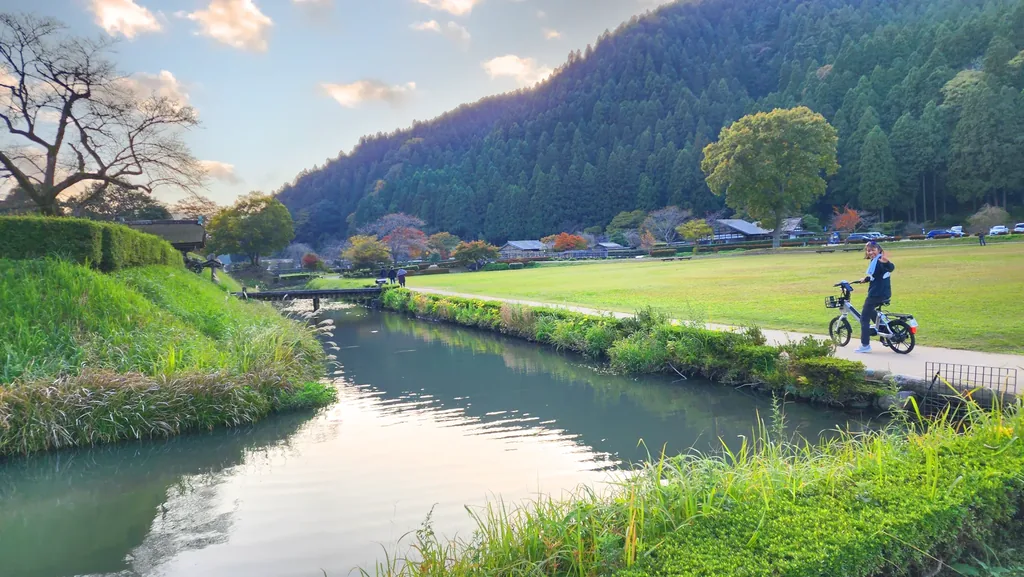
Fukui countryside route near Takao and Asakura
2 Regions in Focus
1 Connected Approach
Perspective

A Different Way of Seeing

This guide is shaped by experience in both Fukui, Japan and Reno, Nevada. These are very different regions, but both require an understanding of distance, terrain, and movement.

Instead of presenting Fukui as a checklist of destinations, this guide treats it as a system: how places relate, how long it takes to move between them, and where quieter experiences naturally emerge.

Beyond the Main Route

The goal is not just to show where to go, but how to move through the region in a way that feels natural and grounded.

What You'll Find Here

Practical guidance that helps you move through Fukui with better flow and local context.

Overlooked Stops

Locations that are easy to miss but worth your time.

Not every meaningful stop is a headline destination. Smaller areas often provide a clearer sense of place than heavily staged attractions.

Connector Routes

Routes linking major sites with lesser-known areas.

This guide emphasizes how places connect, especially coastal roads and secondary paths that make the region feel continuous instead of fragmented.

Timing and Access

Practical insights on timing, access, and movement.

Understanding distance and terrain changes how you travel. Better timing and route order reduce friction and improve the overall experience.

Local Over Staged

A focus on places that feel lived-in and real.

The objective is to help you find the rhythm of the region, not only the most photographed points on a standard itinerary.

Build Your Own Route

Start with one major point, then expand outward.

Rather than following a fixed itinerary, use this guide to build your own route based on priorities, nearby options, and travel pace.

Adjust as You Move

Refine plans based on time, weather, and interest.

Fukui rewards flexible movement, where the journey between locations becomes part of the experience itself.

Two Regions, One Approach

The same route-first method applied in Fukui and the western United States.

Fukui

Native Japanese Insight

The Fukui side of this project is built on native Japanese perspective, including coastal routes, local towns, and less-visited areas beyond standard travel plans.

Reno

Western U.S. Experience

The Reno-Tahoe-California side reflects native experience in the western United States, where distance and terrain similarly shape travel decisions.

Beyond

Beyond Major Icons

In the U.S., this means moving beyond major destinations like Lake Tahoe or Yosemite to explore the high desert, lesser-known mountain routes, gold rush traces, petroglyph sites, and cave systems.

Shared

Consistent Method

Across both regions, the idea is consistent: look beyond the main attractions, understand how places connect, and explore the quieter spaces in between.

Looking Ahead

A corresponding guide focused on the Reno-Tahoe-California region is currently in development. It will follow the same approach: moving beyond major destinations to explore quieter landscapes, lesser-known routes, and the spaces in between.