Major Fossil Finds in Katsuyama
Fossils from the Kitadani area established Fukui as a serious field location for Cretaceous vertebrate material in Japan.
A focused deep-dive into one of Japan's defining paleontology destinations. This page explains what the museum is, how Fukui became a national center for dinosaur research, and how to structure a meaningful visit beyond a quick photo stop.
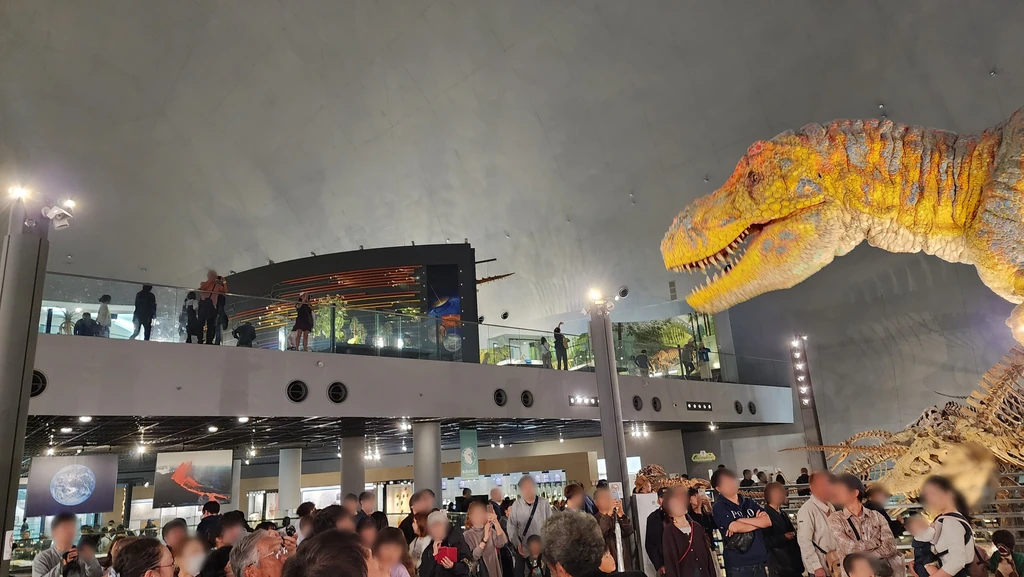
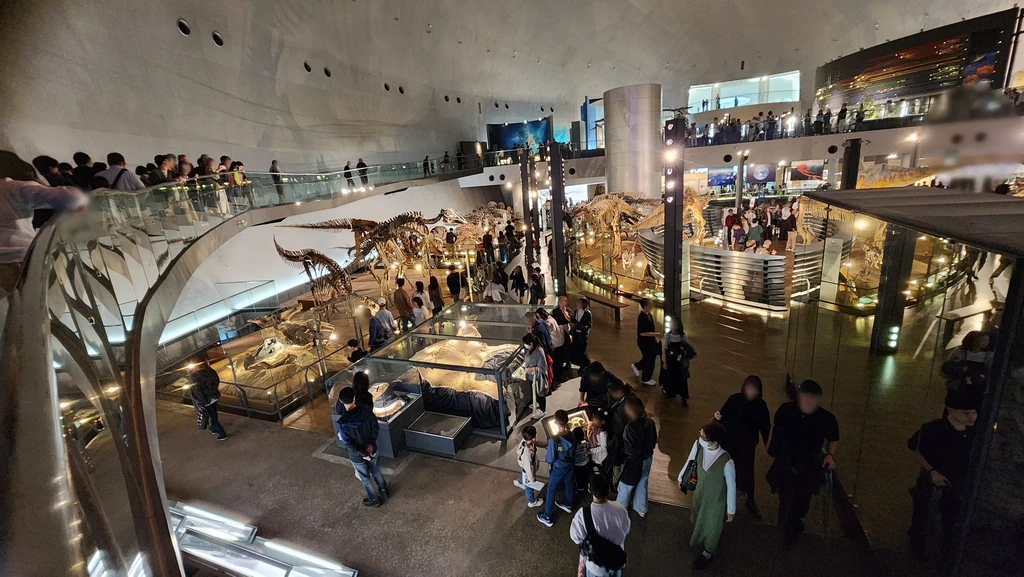
The Fukui Prefectural Dinosaur Museum in Katsuyama combines public exhibition and scientific work: large-scale skeleton halls, specimen preparation, and ongoing links to nearby fossil sites in the Kitadani Formation. The result is more than a display venue. It is a research-based museum that continuously updates how Fukui's Cretaceous record is interpreted.
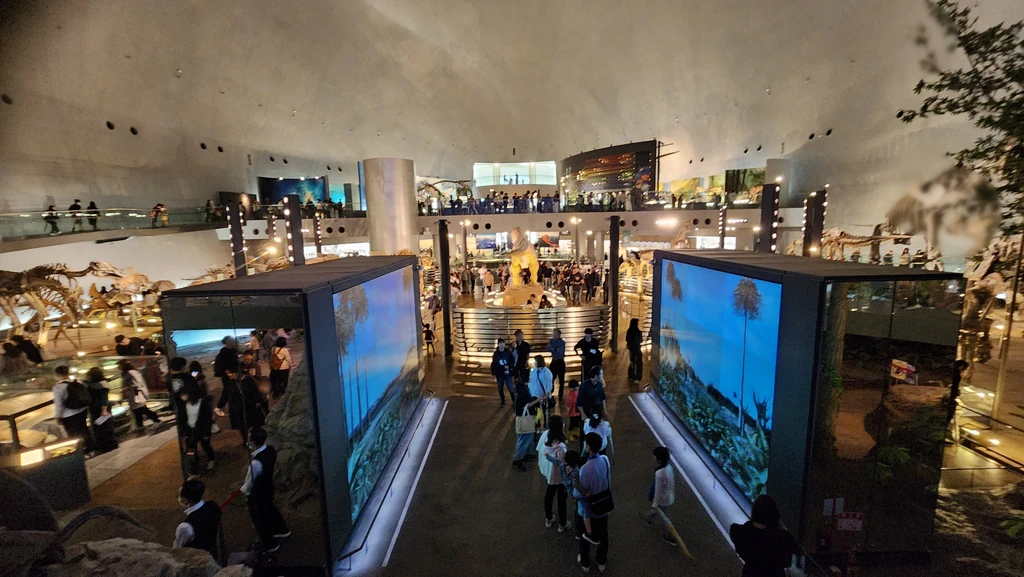
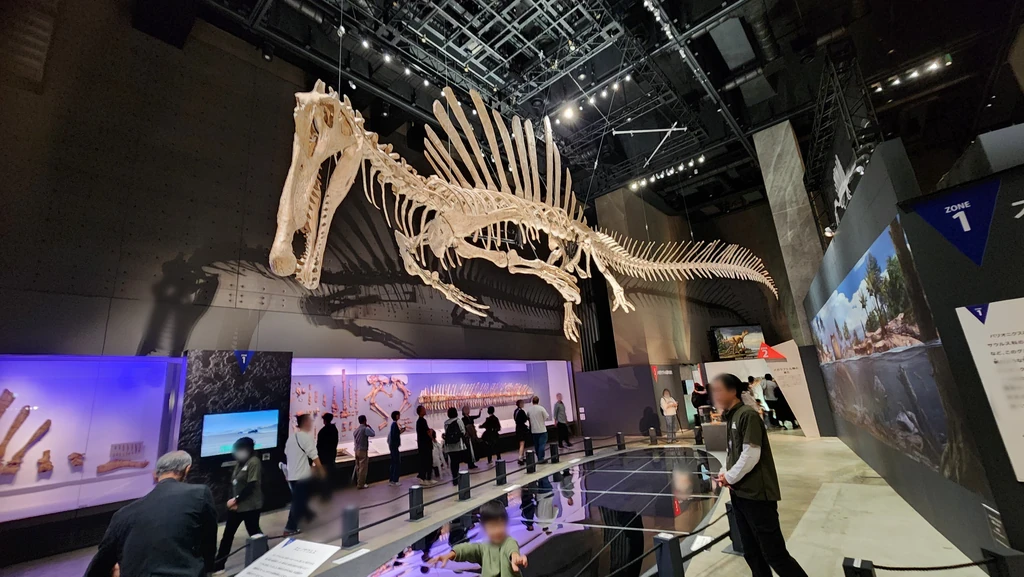
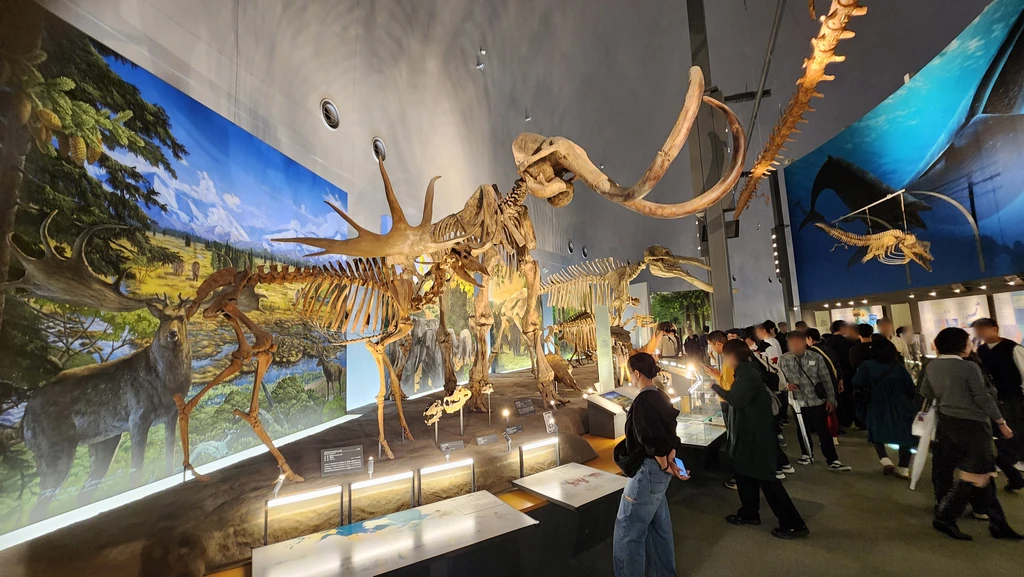
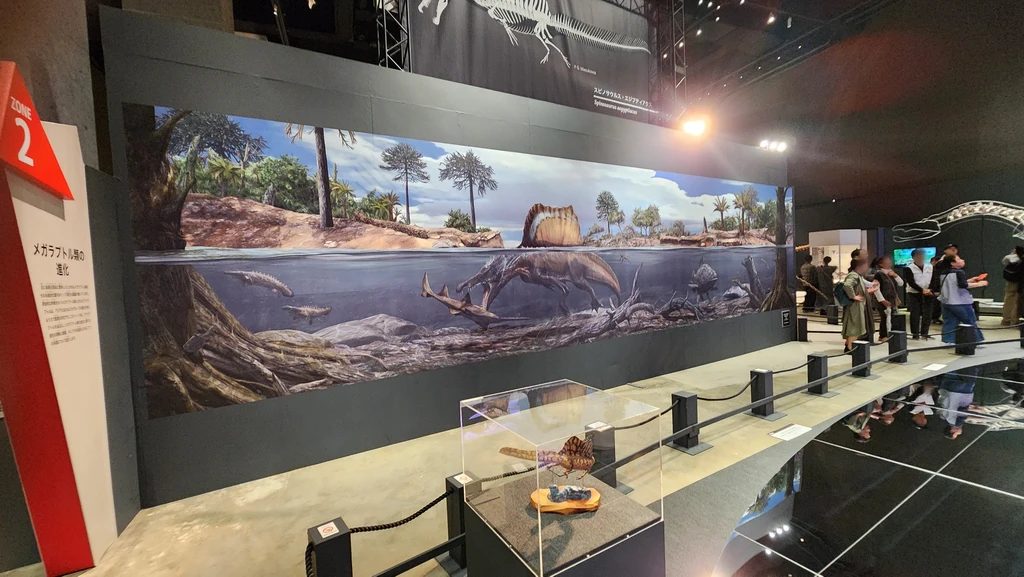
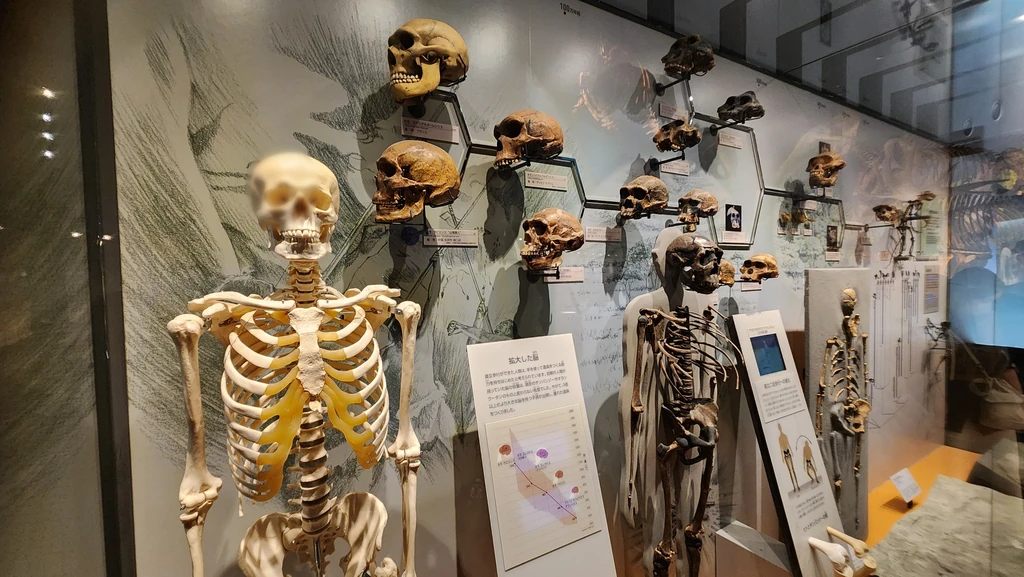
The architecture reinforces that scale. Visitors move through broad interior volumes where reconstructed skeletons, paleoenvironment walls, and comparative species displays make the regional fossil story readable in one continuous sequence.
Fossils from the Kitadani area established Fukui as a serious field location for Cretaceous vertebrate material in Japan.
Excavation, preparation, and classification continued across multiple seasons, building a long-term regional fossil record rather than isolated single finds.
The museum opened with both education and research functions, giving Fukui a stable platform to present discoveries and expand field-to-lab workflows.
Species such as Fukuiraptor, Fukuisaurus, and Fukuititan helped establish Fukui's global visibility in dinosaur science and museum interpretation.
A major renewal updated circulation and exhibits, making the museum stronger as both a scientific gateway and a high-impact visitor destination.
The Kitadani Formation provides productive strata for Cretaceous material, giving Fukui a strong geological base for sustained paleontology work.
Repeated excavation campaigns built depth over time, which is why Fukui has a richer and more coherent dinosaur narrative than one-off discovery sites.
The museum links fossils, prep, taxonomy, and public interpretation in one place. Visitors can understand process, not just see final display skeletons.
Dinosaurs are now central to Fukui's identity and tourism strategy, which is why the museum sits alongside castles, coast, and rural culture in itinerary planning.
For itinerary quality, start with the museum's central halls and species displays, then decide whether to continue into a broader Fukui route. The strongest pairing for your site is: Dinosaur Museum + Asakura historical context + Takao local landscape.
Pair this museum with Ichijodani Asakura and Takao for a narrative that connects deep time, medieval history, and rural Fukui.