Takao Village – Fukui, Japan

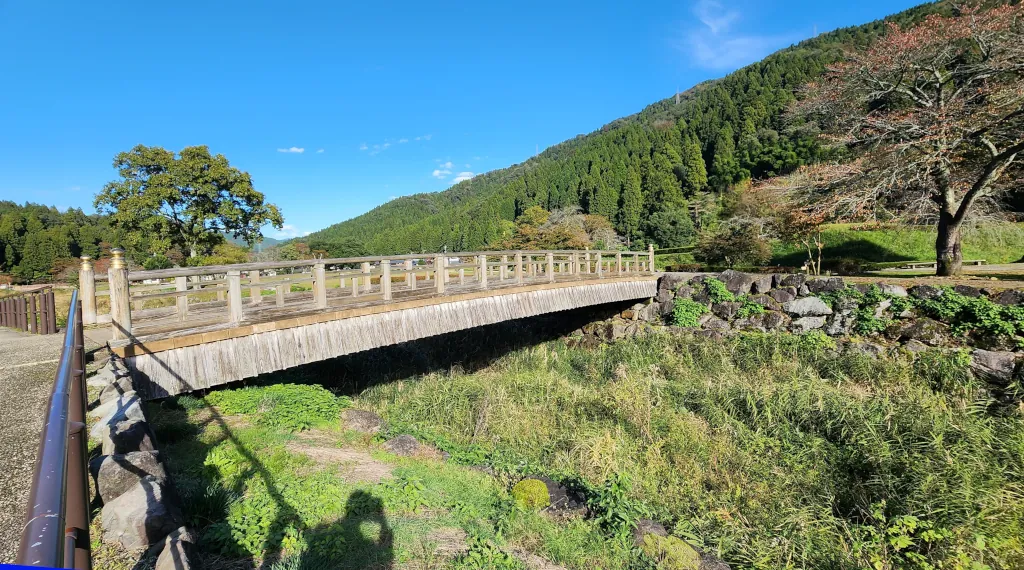
THE TAKAO AREA IS A REMOTE RURAL POCKET OF ECHIZEN, LOCATED JUST MINUTES FROM THE ASAKURA CLAN RUINS (SHOWN HERE), WHERE RIVERSIDE ROADS, FORESTED HILLS, AND QUIET FARM FIELDS REVEAL A SIDE OF FUKUI BEST EXPERIENCED WITH LOCAL KNOWLEDGE.

The Takao Village Area - In and Around Fukui Prefecture, Japan

The Takao area is a quiet rural pocket of Fukui where everyday life continues largely unchanged. It is not a destination designed for visitors, but a lived-in landscape of fields, forests, and small communities. Roads are narrow, parking is limited, and many places are known only through local familiarity — this is an area best experienced with guidance or context.

Historically connected to Echizen and the Asakura clan, Takao sits within the agricultural and river systems that supported one of medieval Japan’s most important regional powers. Just beyond the village lies Ichijōdani, the former Asakura castle town, now preserved as an archaeological site and museum. The route between Takao and Ichijōdani follows the river, passing pedestrian bridges, open fields, and forested slopes that still reflect how people moved through this land centuries ago.

The Takao area offers a glimpse of ordinary rural Japan, where history, agriculture, and daily life overlap without explanation or display.

Takao itself is modest and intimate. A single village street, a small ancient mythical stream, and clusters of homes sit among rice paddies, persimmon trees, and bamboo and cedar forests. A small, hidden shinto (Yakusha) Shrine remains part of daily village life rather than a marked attraction. Wildlife is part of the environment, including the occasional monkey along the forest edges.

The surrounding landscape invites slow exploration rather than sightseeing. Riverside paths offer open views of water, fields, and mountains, while forest roads lead through bamboo and cedar groves that define this part of Fukui. The experience is less about walking distance and more about atmosphere, quiet movement through a working rural landscape. This is real Japan, where life continues as it has for generations. Some reasonable Japanese language or a local guide is extremely helpful for navigating the area and engaging with locals.

Food in the Takao area reflects what locals actually eat. Nearby towns and roadside eateries serve regional rice-based meals, locally made soba, and simple ramen, rooted in Fukui agriculture rather than tourism. These are everyday places, informal, seasonal, and closely tied to the land.

It is important to understand, Takao and Fukui's forests have wild animals including bears, wild boar and monkey. If you are not from the general region, please travel with a local guide who understands the area and its wildlife, and importantly the language.
Takao Village Area - Fukui, Japan
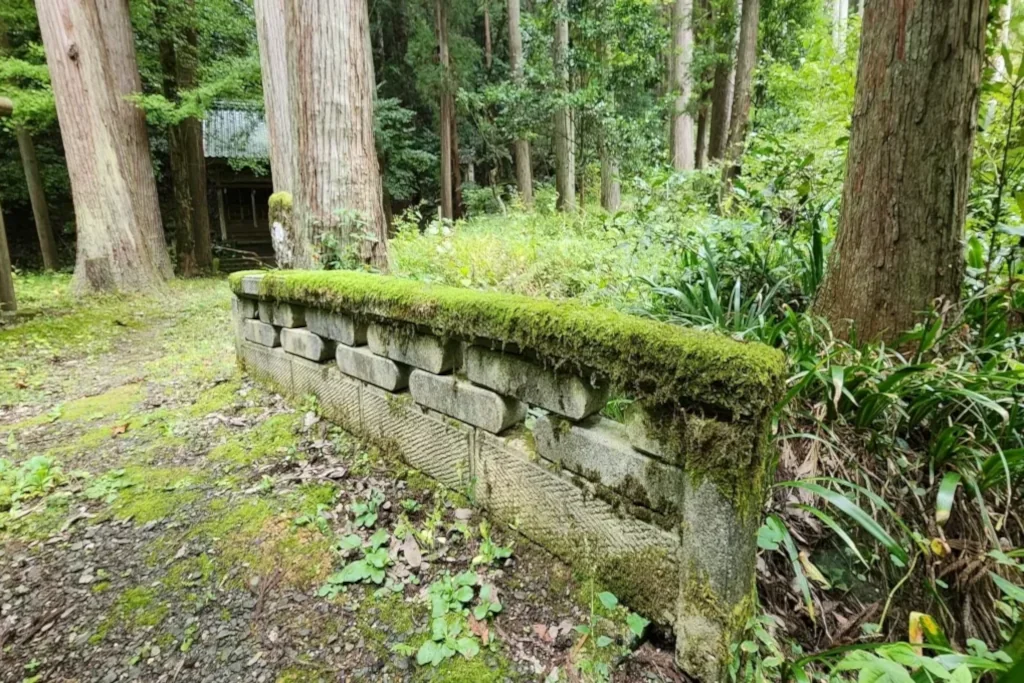
Ancient bridge rail, cedar forest trail to Shrine in Takao Village, Fukui Japan

Ancient bridge rail, cedar forest trail to Shrine in Takao Village, Fukui Japan

Takao Village, Fukui Japan

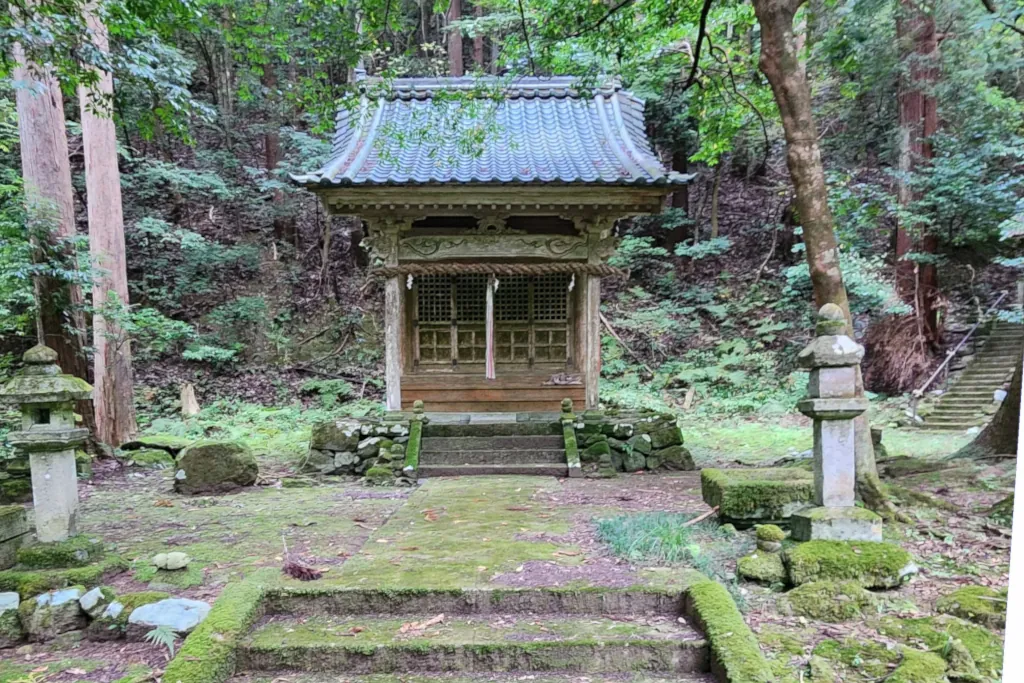
A narrow forest path leads through cedar groves to an old stone bridge rail and a small local shrine believed to date from the Sengoku period, when the Asakura clan governed Echizen. The route remains part of the village’s surrounding woodland and is lightly used, reflecting its role as a local path rather than a developed destination.

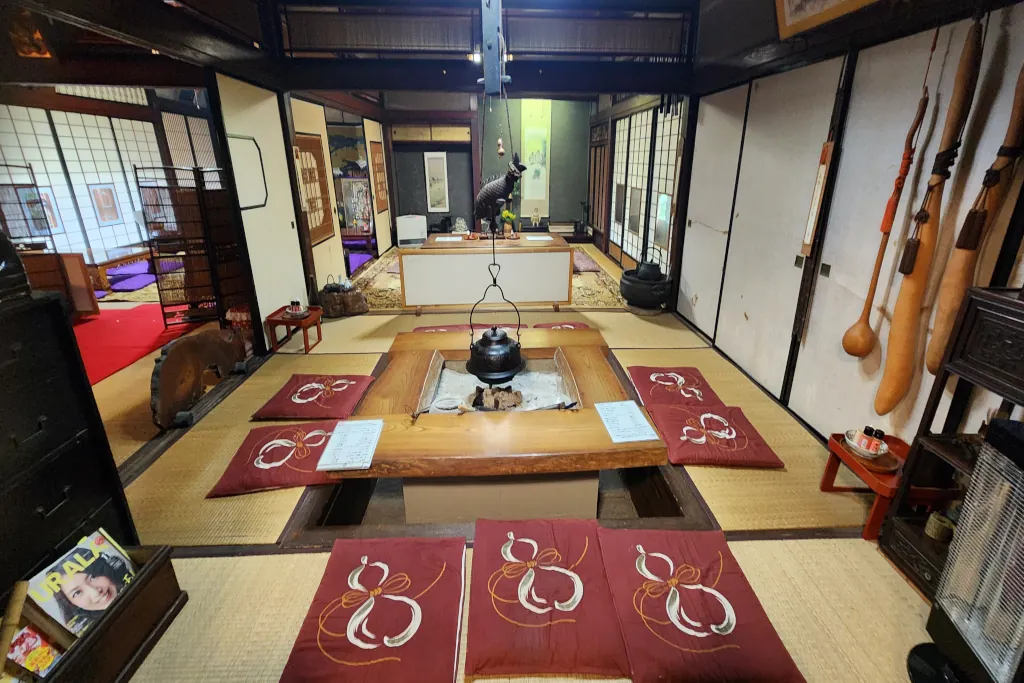
Deeply regional food cooked and served in a traditional Fukui home.

Takao Village, Fukui Japan

This is a private home that has remained much the same for generations, opened quietly to serve a small number of guests. The family welcomes you with grace and elegance, shows you to your seat, and prepares the meal nearby within the house. The irori hearth remains at the center of the room as part of daily life, grounding the space and the pace of the meal. Ingredients are sourced locally and change with the seasons, reflecting the surrounding fields and forests- ramen and soba noodles are made inhouse. There is no separation between host and guest, only the shared atmosphere of a lived-in home.

Takao Village's location has access to Fukui's Dynamic Regional Foods

Takao Village, Fukui Japan

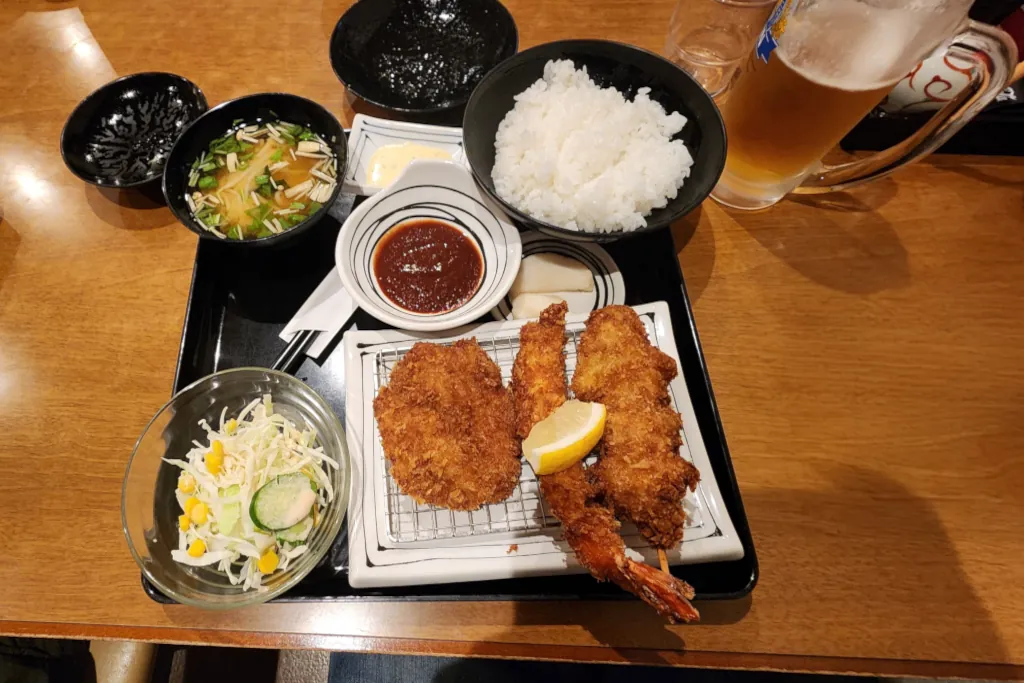
Local specialties rely on locally grown rice, vegetables from nearby farms, and regionally made noodles, including buckwheat soba produced from local grain. Wild mushrooms and mountain herbs are used seasonally, and proximity to the Sea of Japan supports everyday seafood dishes typical of the area.

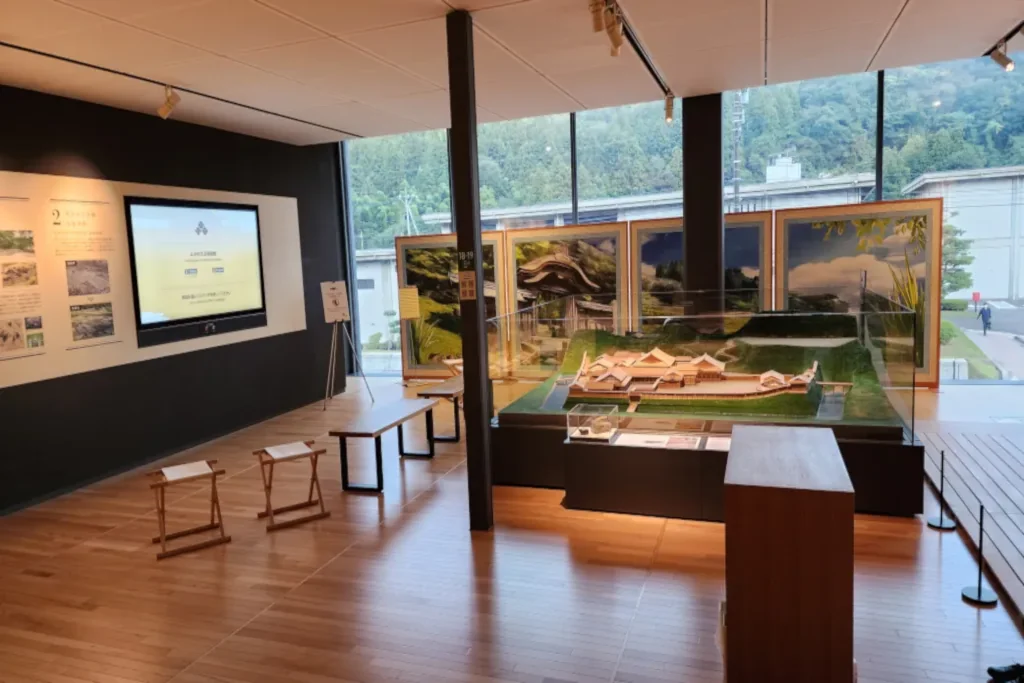
Asakura Ruins Museum: a window into the castle town at Ichijodani

Takao Village, Fukui Japan

The museum introduces the rise and fall of the Asakura clan and preserves artifacts from daily life in the valley. Its centerpiece is a model of the Ichijodani castle town, showing the streets, homes, and workshops as they once stood. Exhibits pair the model with excavated tools, ceramics, and documents to explain how the town functioned and why it disappeared.

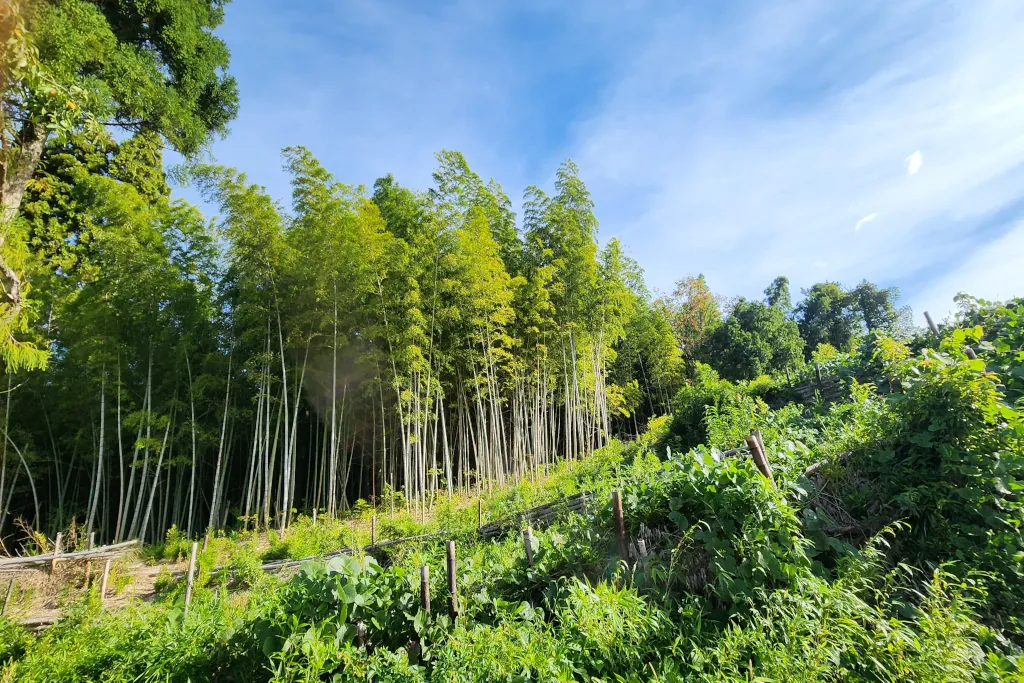
Takao Village Bamboo Forest

Takao Village Bamboo Forest

Takao Village, Fukui Japan

Explore the enchanting bamboo groves of Takao, where ancient trails wind through towering bamboo, Japanese cedar and serene natural beauty.

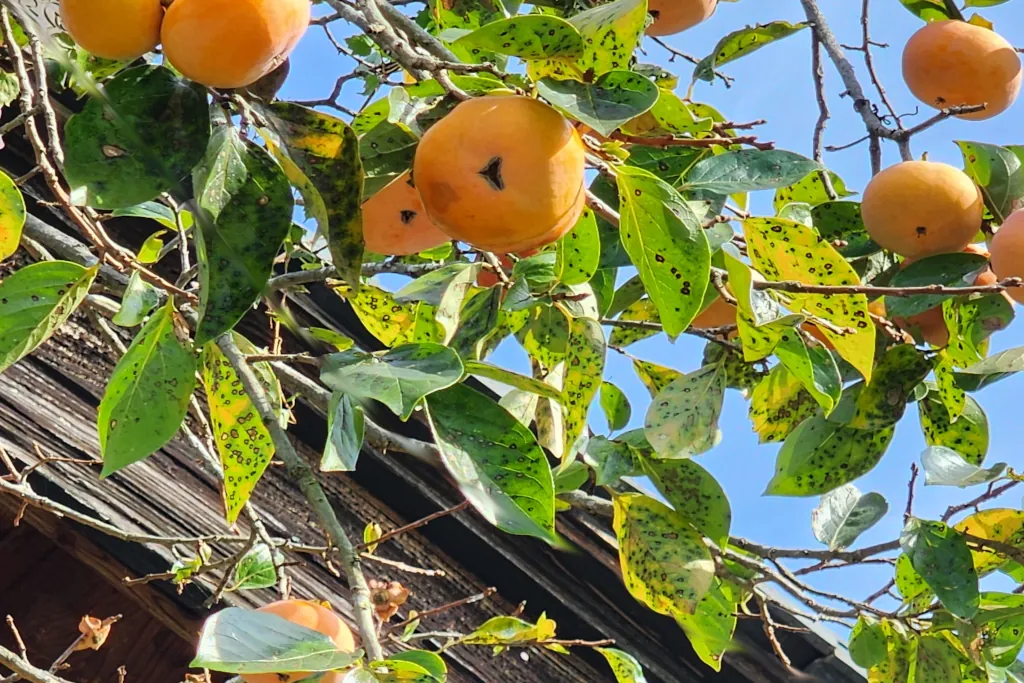
Takao Village Persimmons, Fukui Japan

Abundant Local Persimmons

Takao Village, Fukui Japan

Takao is known for its abundant persimmons, which are a local specialty and a delightful treat for visitors.

Location

Takao Village - Fukui, Japan

Takaochō, Fukui Prefecture

Takaochō is a small rural settlement located just outside Fukui City, set within agricultural land and river systems historically connected to the Asakura clan. The area is not designed for mass tourism and is best understood as part of a wider regional landscape that includes Ichijōdani, forested foothills, and working farmland. Access is straightforward by car or local rail, but movement within the area is quiet and limited.

Eiheiji Temple
~25 minutes by car

One of the two head temples of Sōtō Zen Buddhism, set deep in the mountains of Fukui.

Maruoka Castle
~30 minutes by car

Japan’s oldest surviving castle keep, often called the “Castle in the Sky.”

Ichijōdani Asakura Ruins & Museum
~45 minutes by walking / cycling route or short drive

Preserved remains of the Asakura clan’s Sengoku-period castle town, with museum exhibits.

Echizen-Tōgō Station
Local train access

Nearest local station connecting Takao to Fukui City and regional rail lines and transport solutions. @ 3.3 km distance- drive, bike, walk (not suggested).

Fukui City History Museum
~20 min by car · via Fukui City

A regional museum focusing on Echizen history beyond the Asakura period, including everyday life, governance, and cultural development from medieval through early modern Fukui.

Takefu Knife Village (越前打刃物)
~35 min by car · Echizen City (historical Echizen region)

The center of Echizen’s 700-year-old knife-making tradition, where local craftsmen continue to forge kitchen and woodworking blades using techniques passed down through generations.

Echizen Pottery Village (越前陶芸村)
~40 min by car · Echizen Coast

One of Japan’s Six Ancient Kiln sites, known for unglazed stoneware shaped by wood firing and local clay, still produced in small workshops across the village.

Open Echizen Coast deep-dive page

Fukui Prefectural Dinosaur Museum
~45 min by car

One of the world’s leading dinosaur museums, located near major fossil excavation sites in Katsuyama.

Tōjinbō Cliffs (Echizen Coast)
~70 min by car

Dramatic basalt cliffs formed by volcanic activity, facing the Sea of Japan along Fukui’s rugged coastline.

Getting Here

From Airport

Komatsu Airport is the nearest regional airport. From the airport, continue to Fukui City by train or car, then travel onward toward Takao Village.

Rail Access

Fukui Station is served by the Hokuriku Shinkansen, connecting directly with Tokyo and major regional cities. From Fukui City, local rail lines reach nearby stations such as Echizen-Tōgō and Ichijōdani, with onward travel by car or bicycle.

By Car

Renting a car is strongly recommended. Fukui Prefecture’s attractions are spread across rural areas, and a car allows flexible access to villages, temples, coastlines, and historic sites.